
- English
- Español
- Português
- русский
- Français
- 日本語
- Deutsch
- tiếng Việt
- Italiano
- Nederlands
- ภาษาไทย
- Polski
- 한국어
- Svenska
- magyar
- Malay
- বাংলা ভাষার
- Dansk
- Suomi
- हिन्दी
- Pilipino
- Türkçe
- Gaeilge
- العربية
- Indonesia
- Norsk
- تمل
- český
- ελληνικά
- український
- Javanese
- فارسی
- தமிழ்
- తెలుగు
- नेपाली
- Burmese
- български
- ລາວ
- Latine
- Қазақша
- Euskal
- Azərbaycan
- Slovenský jazyk
- Македонски
- Lietuvos
- Eesti Keel
- Română
- Slovenski
- मराठी
- Srpski језик
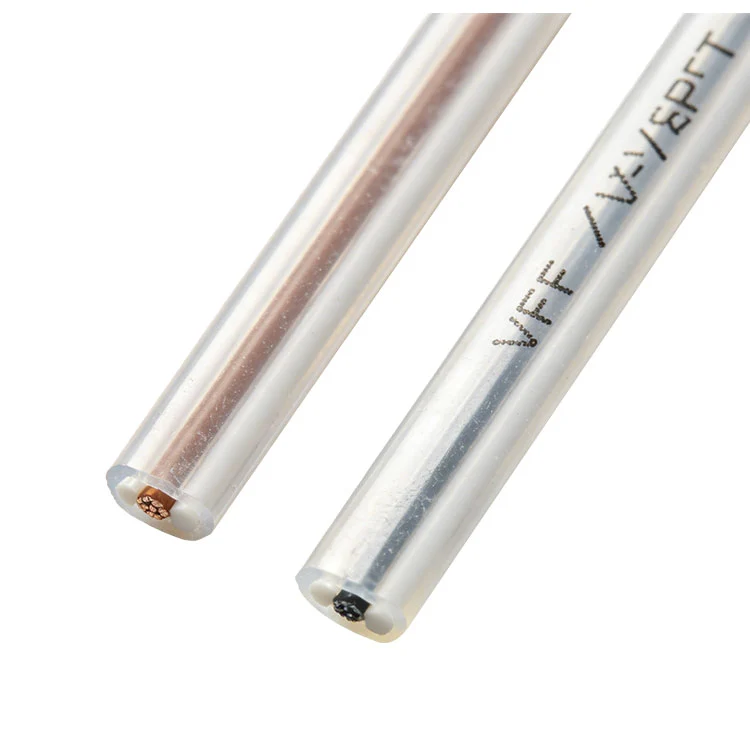
PVC Insulated Japanese Flat Twin Wire
For electrical wiring applications requiring a reliable, space-saving solution, the PVC Insulated Japanese Flat Twin Wire offers a proven and versatile option. This cable type is widely recognized for its compact, flat design, which facilitates neat installation in conduits and tight spaces where traditional round cables might be problematic. The design, commonly referred to in specifications as Japanese VFF Flat Twin Core Wire, features two parallel conductors insulated with durable PVC and bonded side-by-side. This construction, also known as Japanese VHF PVC Insulated Flat Cable, provides excellent electrical isolation and mechanical protection. The popularity of this Japanese Style Double Core Flat Wire stems from its efficiency in internal building wiring, lighting circuits, and appliance connections. As a specific standard, the VFF Double Core PVC Insulated Cable denotes a product built to meet rigorous performance criteria for voltage rating and safety.
The core advantage of the PVC Insulated Japanese Flat Twin Wire lies in its detailed construction and material specifications, which ensure consistent performance. The twin conductors are typically made from high-conductivity annealed copper, ensuring minimal electrical resistance and efficient power transmission. These are individually insulated with a layer of polyvinyl chloride (PVC) formulated for specific electrical and environmental properties. The insulated conductors are then fused together in a parallel flat formation using a second layer of PVC sheathing. This final outer jacket provides overall mechanical strength, protection against abrasion, and resistance to moisture, oils, and common chemicals. The flat profile of the <产品名字> is not just for space efficiency; it also prevents twisting during installation and allows for better heat dissipation compared to some bundled round cables.
Key Specifications & Technical Data
- Conductor: Plain annealed copper, compliant with relevant standards.
- Insulation: PVC compound, color-coded for phase identification.
- Jacket/Sheath: Overall PVC sheath bonding the insulated cores.
- Voltage Rating: Typically 300/500V for general-purpose applications.
- Temperature Rating: Operational range usually from -10°C to +70°C.
- Standards: Manufactured to meet JIS C 3306, VFF, or equivalent specifications.
- Applications: Internal wiring for lighting, power outlets, control panels, and domestic appliances.
| Nominal Cross-Sectional Area (mm²) | Approx. Overall Dimensions (Width x Thickness) mm | Approx. Conductor Resistance at 20°C (Ω/km) | Max. DC Resistance at 20°C (Ω/km) |
|---|---|---|---|
| 0.75 | 4.2 x 2.0 | 24.5 | 24.8 |
| 1.25 | 5.0 x 2.2 | 14.8 | 15.0 |
| 2.0 | 5.8 x 2.6 | 9.39 | 9.51 |
Performance & Testing Parameters
| Test Parameter | Standard Requirement / Typical Value | Test Method / Condition |
|---|---|---|
| Insulation Resistance | > 0.0067 MΩ·km | Measured at 20°C, immersed in water |
| Voltage Test | 2000V AC for 1 minute (or 2500V for 1 min) | Between conductors and from conductor to water |
| Insulation & Sheath Thickness | Meets nominal and minimum values per standard | Measured by micrometer at multiple points |
| Tensile Strength & Elongation | PVC Insulation: > 12.5 MPa & > 125% PVC Sheath: > 10.0 MPa & > 150% |
Tested on dumb-bell specimens |
| Heat Shock Test | No cracks or visible damage | Conditioned at 150°C for 1 hour, mandrel test |
| Flame Retardancy | Self-extinguishing | Vertical flame test as per applicable standard |
Related Products
Hot Products
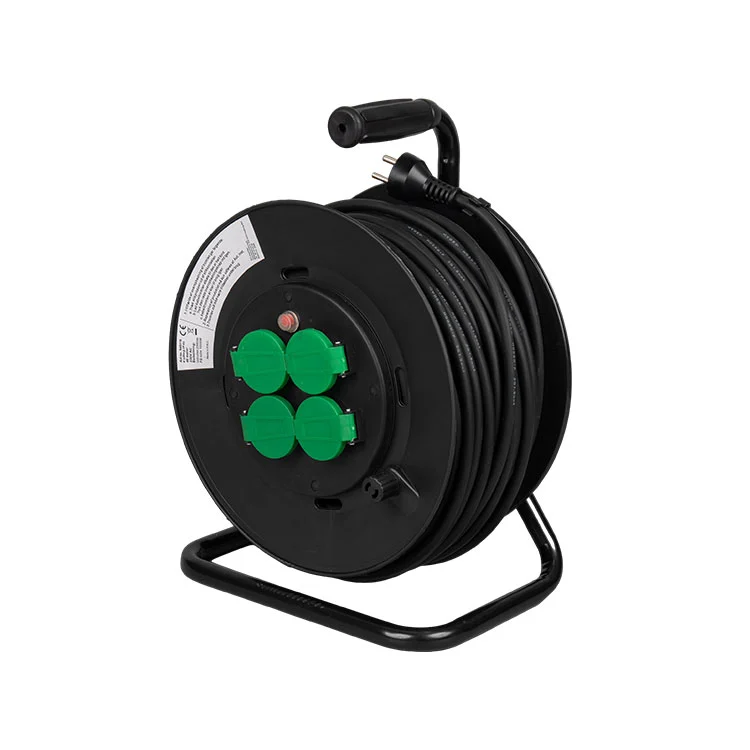
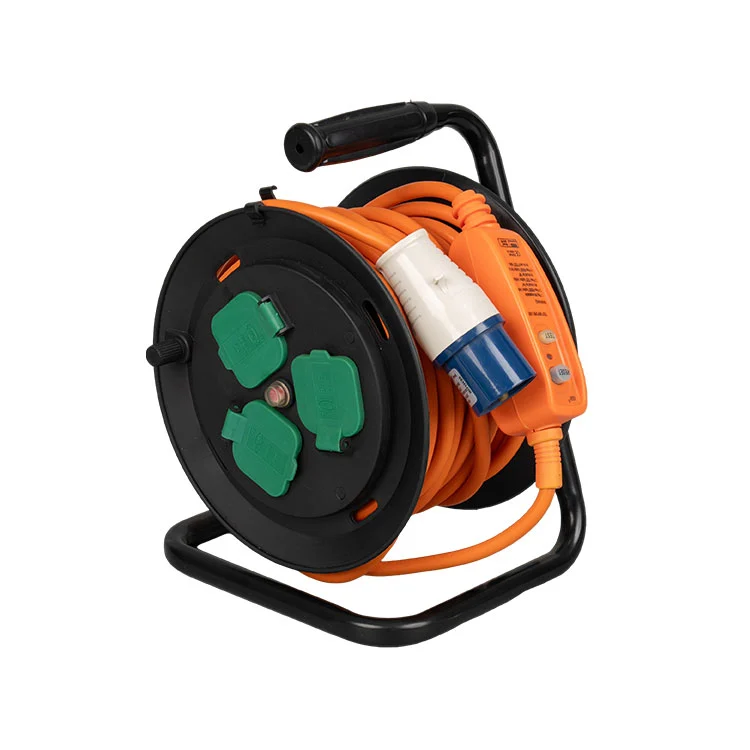
Industrial Electric Cable Reel
This China Industrial Electric Cable Reel by Shujie supplier is tailored for factory workshops, construction sites, and professional power maintenance, blending durability with safety. Constructed from reinforced fire-resistant plastic and high-quality copper core wire, it can endure extended use of high-power devices, guaranteeing a stable power supply. The reel design enables tidy cable winding, avoiding tangling and damage, and also aids in handling and storage. This product, sold directly from a professional export factory, complies with international industrial safety standards and is ideal for wholesale and export markets.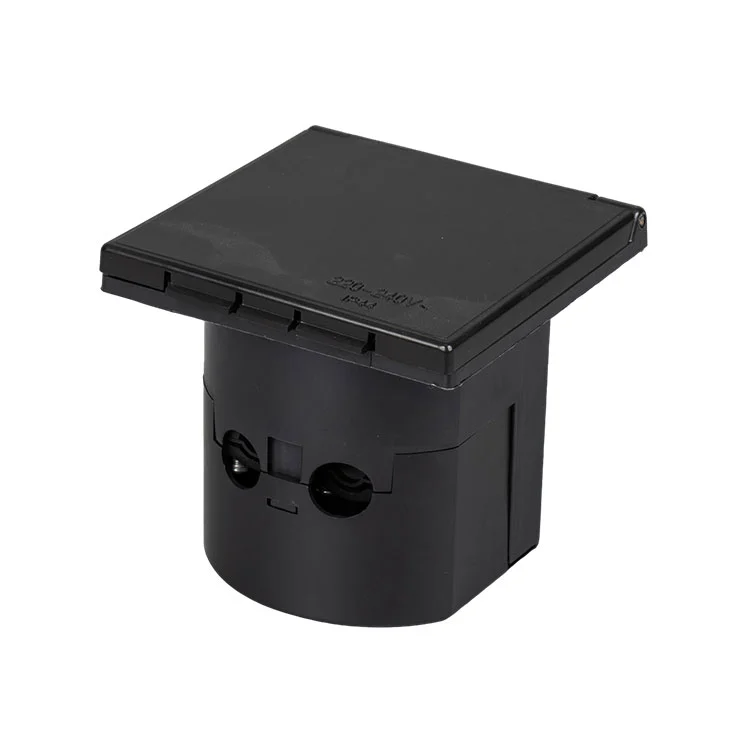
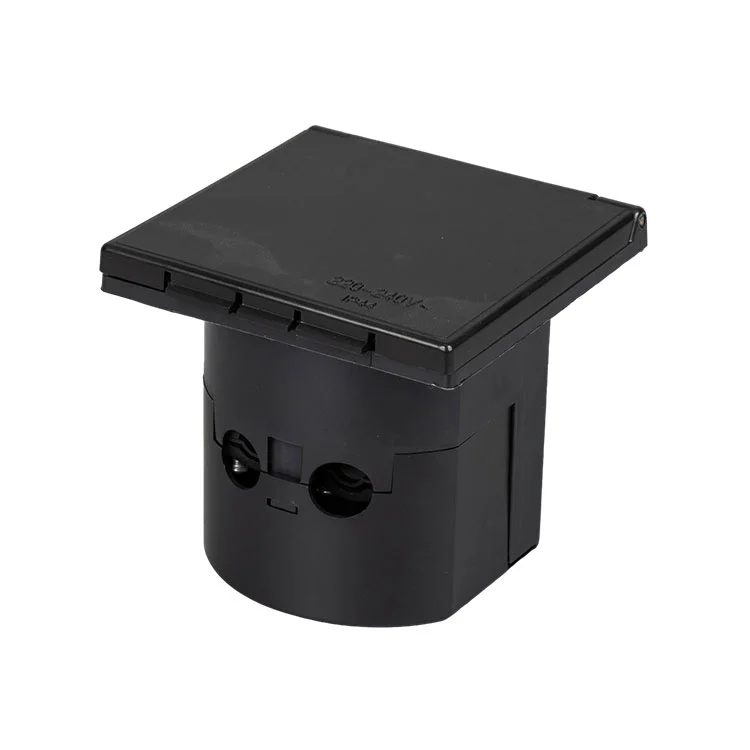
Waterproof RV Socket Box
The Waterproof RV Socket Box provided by Shujie Electrical is an exclusive electrical protection equipment tailored for mobile travel in RVs. It is not a regular household socket box; instead, it is specially designed for the unique scenarios of RV outdoor parking and indoor electricity usage. It features a regular square structure, which can both fit within the limited installation space of the RV and provide reliable waterproof protection.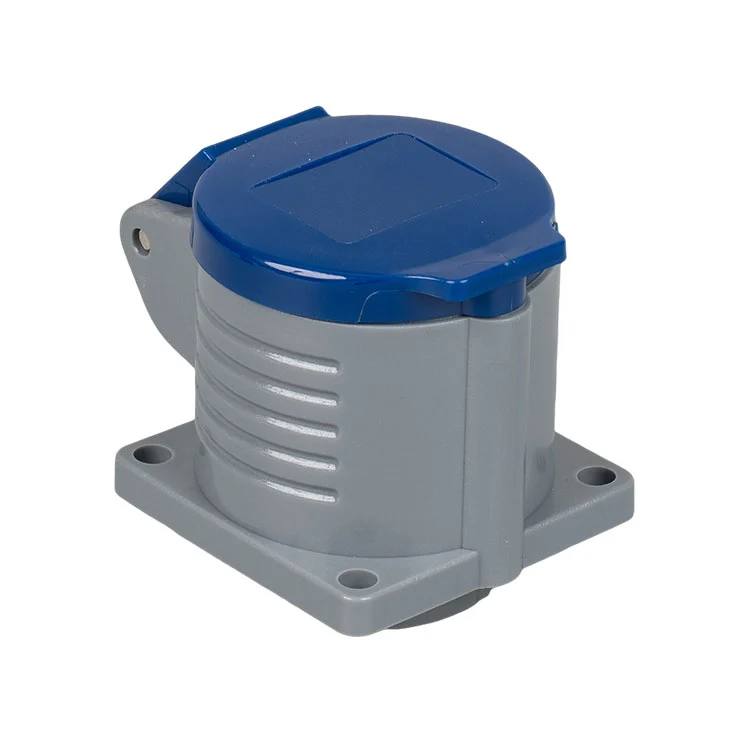
EU Standard Power Israeli Industrial Socket
The EU Standard Power Israeli Industrial Socket manufactured by Shujie Electrical's supplier is a dedicated industrial socket that complies with both the EU and Israeli electrical standards. It is characterized by safety, durability, and heavy-load compatibility, and is specifically designed for various heavy-load electrical scenarios in industries and commercial settings. It is professionally produced and exported by us. This socket takes into account both the EU and Israeli standards, and can perfectly adapt to the electrical equipment and wiring requirements of both regions. No additional adaptation conversion is needed, making it more convenient to use.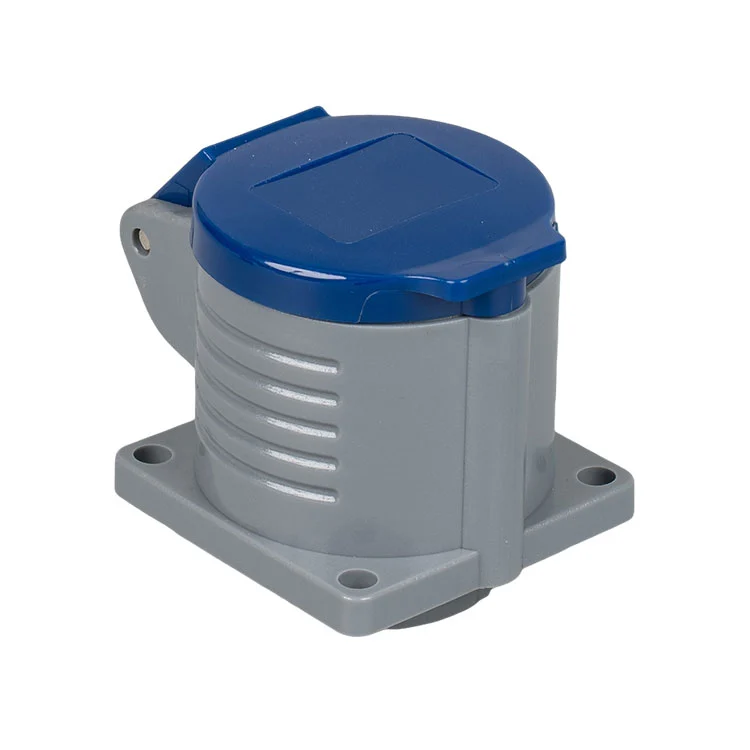
IP44 Male Female Waterproof Industrial Socket
Cixi Shujie Import & Export Co.,Ltd focuses on manufacturing and exporting IP44 Male Female Waterproof Industrial Socket, providing high quality, long lasting and safe electrical connections for a wide range of industrial, commercial and outdoor applications. Designed for IP44 waterproof standards, these sockets offer good protection against dust and water splashes but have stable electrical performance.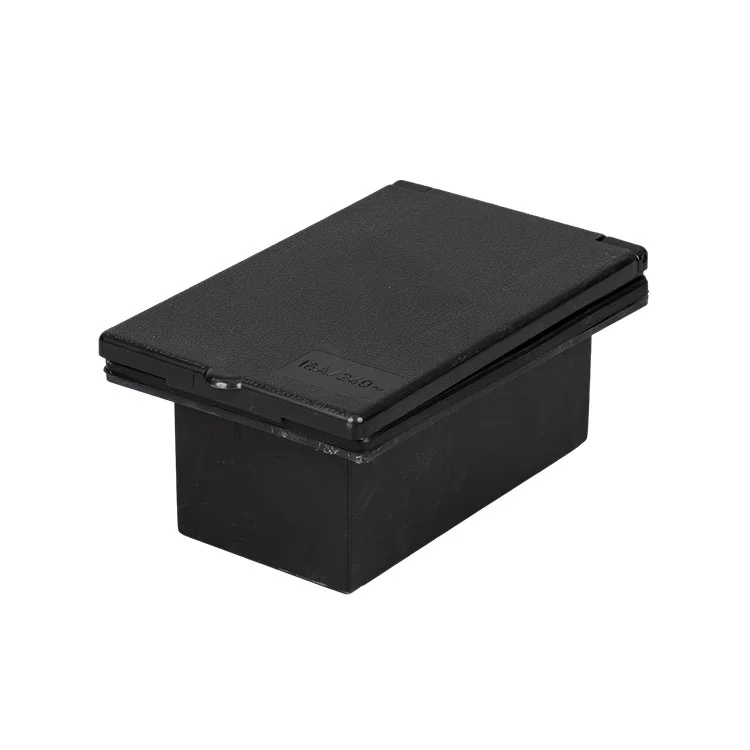
IP44 Waterproof RV Socket Box
The China IP44 waterproof RV socket box supplied by Shujie Electrical Factory is an outdoor power usage protection companion tailor-made for RV travel. It is not merely a simple socket cover; rather, it is a "mobile power usage safety fortress" specifically designed to cope with the variable outdoor environment. Whether your RV is parked at a campsite to receive power or is temporarily powered in the wild, it can provide a reliable protective barrier for your RV sockets.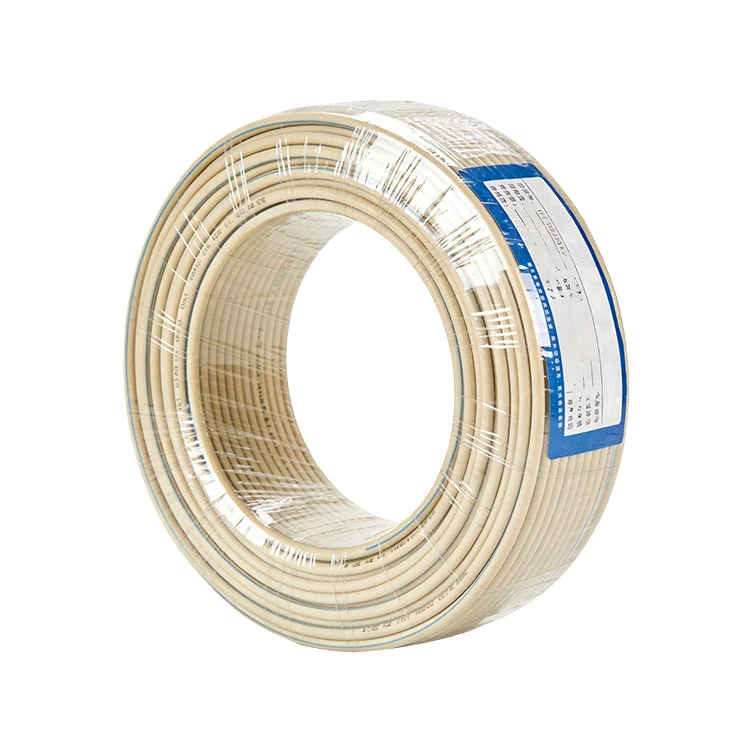
HVV Indoor Polyvinyl Chloride Wire
Shujie Electrical supplies China HVV indoor polyvinyl chloride wire. This is a special type of wire specifically designed for indoor fixed wiring scenarios. It is fully designed and produced in accordance with indoor electrical safety standards and is only suitable for indoor environments. It is a core component of modern safe indoor building wiring systems.
- Related Blog
- Reviews
