
- English
- Español
- Português
- русский
- Français
- 日本語
- Deutsch
- tiếng Việt
- Italiano
- Nederlands
- ภาษาไทย
- Polski
- 한국어
- Svenska
- magyar
- Malay
- বাংলা ভাষার
- Dansk
- Suomi
- हिन्दी
- Pilipino
- Türkçe
- Gaeilge
- العربية
- Indonesia
- Norsk
- تمل
- český
- ελληνικά
- український
- Javanese
- فارسی
- தமிழ்
- తెలుగు
- नेपाली
- Burmese
- български
- ລາວ
- Latine
- Қазақша
- Euskal
- Azərbaycan
- Slovenský jazyk
- Македонски
- Lietuvos
- Eesti Keel
- Română
- Slovenski
- मराठी
- Srpski језик

Why Outlet Adapter Matters for Safe and Efficient Power Usage?
In today’s highly connected world, electrical devices have become essential in homes, offices, travel, and industrial environments. However, different countries and regions use varying plug standards, voltage systems, and socket designs. This is where an Outlet Adapter becomes an essential tool for ensuring compatibility, safety, and convenience. This article explores everything you need to know about outlet adapters—from how they work and why they matter, to how to choose the right one for your needs. It also addresses common user concerns such as overheating risks, compatibility issues, durability, and safety standards. Whether you are a frequent traveler, a business professional working with international equipment, or a household user dealing with multiple devices, understanding outlet adapters can significantly improve your daily power usage experience. This guide provides a clear, practical, and in-depth explanation to help you make informed decisions while ensuring safety and efficiency in every connection.
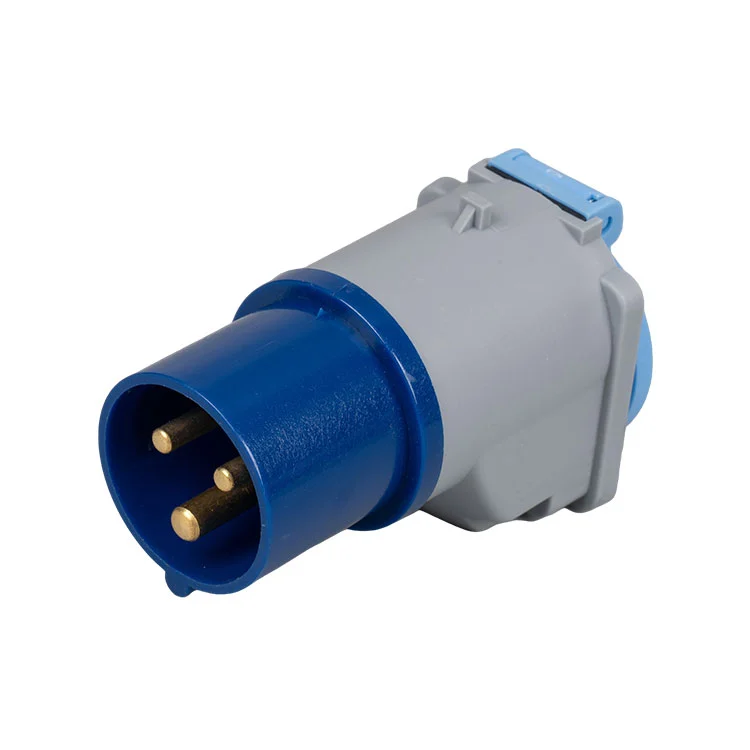
Table of Contents
- Outline
- What is an Outlet Adapter?
- Why Outlet Adapters Are Important in Daily Life
- How an Outlet Adapter Works
- Common Types of Outlet Adapters
- Common User Pain Points and Challenges
- Safety Considerations You Should Never Ignore
- How to Choose the Right Outlet Adapter
- Real-World Applications
- Comparison Table of Adapter Types
- Maintenance and Usage Tips
- Future Trends in Power Adapter Technology
- Frequently Asked Questions
- Conclusion
Outline
This article is structured to guide readers from basic understanding to advanced selection strategies for outlet adapters. It covers definitions, technical principles, safety guidance, product comparison, and real-world usage scenarios. The goal is to help users eliminate confusion, avoid electrical risks, and choose reliable solutions for both personal and professional environments.
What is an Outlet Adapter?
An Outlet Adapter is a compact electrical device designed to connect plugs from one type of socket system to another. It does not convert voltage; instead, it physically bridges the gap between incompatible plug shapes and outlet designs.
For example, when traveling from the United States to Europe, plug shapes differ significantly. An outlet adapter allows a US plug to fit into a European socket safely and securely.
It is important to distinguish between an outlet adapter and a voltage converter. While adapters only change physical compatibility, converters adjust electrical voltage. Mixing these concepts can lead to device damage or safety hazards.
Why Outlet Adapters Are Important in Daily Life
Outlet adapters play a crucial role in modern electrical usage. With globalization and international travel becoming common, people frequently encounter incompatible plug systems. Without adapters, many devices would become unusable abroad.
- Travel convenience: Keeps devices usable across countries.
- Business efficiency: Supports international equipment compatibility.
- Home flexibility: Allows mixed-device usage from different regions.
- Cost saving: Reduces need to buy region-specific electronics.
In short, outlet adapters simplify electrical compatibility while reducing inconvenience and unnecessary expenses.
How an Outlet Adapter Works
The working principle of an outlet adapter is straightforward but highly effective. It does not alter electrical current; instead, it modifies the physical interface between plug and socket.
Inside the adapter, conductive metal pathways connect the input plug to the output socket format. This ensures that electricity flows safely from the wall outlet to the connected device.
High-quality adapters also include insulation materials, flame-retardant housing, and sometimes built-in fuse protection to improve safety.
Common Types of Outlet Adapters
Different environments require different types of outlet adapters. Below are the most commonly used categories:
- Universal Outlet Adapters: Compatible with multiple plug types worldwide.
- Regional Adapters: Designed for specific countries or regions.
- Travel Adapters: Lightweight and portable for frequent travelers.
- USB Outlet Adapters: Include built-in USB ports for charging mobile devices.
- Heavy-Duty Adapters: Used for industrial or high-power equipment.
Common User Pain Points and Challenges
Many users experience frustration when using outlet adapters due to misunderstanding or poor-quality products. Some of the most common issues include:
- Overheating during long usage
- Loose connection causing power interruptions
- Incompatibility with certain plug shapes
- Low durability of cheap materials
- Lack of grounding protection
These problems often arise when users choose low-cost, uncertified adapters instead of reliable products.
Safety Considerations You Should Never Ignore
Electrical safety is one of the most critical aspects of using outlet adapters. A poorly designed adapter can lead to overheating, short circuits, or even fire hazards.
To ensure safe usage:
- Always check certification marks (such as CE or UL)
- Avoid overloading with high-power appliances
- Do not use damaged or cracked adapters
- Ensure proper grounding when required
- Unplug when not in use for extended periods
Safety should always be prioritized over convenience or price.
How to Choose the Right Outlet Adapter
Selecting the right outlet adapter depends on several key factors. Here are the most important considerations:
- Compatibility: Ensure it supports your plug type and destination socket.
- Voltage awareness: Confirm whether a converter is also needed.
- Build quality: Prefer flame-retardant and durable materials.
- Power rating: Match adapter capacity with device requirements.
- Portability: Choose compact designs for travel use.
Real-World Applications
Outlet adapters are widely used in many scenarios:
- International travel and tourism
- Import/export electronics businesses
- Home appliance integration
- Office equipment compatibility
- Industrial machinery setups
Their versatility makes them essential in both personal and professional environments.
Comparison Table of Adapter Types
| Type | Best For | Advantages | Limitations |
|---|---|---|---|
| Universal Adapter | Global travelers | Multi-country compatibility | Bulkier design |
| Regional Adapter | Single-country use | Compact and efficient | Limited compatibility |
| Travel Adapter | Tourists | Lightweight and portable | Lower power capacity |
| USB Adapter | Mobile devices | Multiple charging ports | Not suitable for heavy devices |
Maintenance and Usage Tips
Proper maintenance ensures longer lifespan and safer operation of outlet adapters:
- Clean dust regularly to avoid connection issues
- Store in a dry and cool environment
- Avoid pulling cables forcefully
- Inspect for wear and tear before use
- Do not exceed recommended power load
Future Trends in Power Adapter Technology
As technology evolves, outlet adapters are becoming smarter and safer. Future developments include:
- Smart voltage detection systems
- Integrated fast-charging USB-C ports
- Compact foldable designs
- Enhanced fire-resistant materials
- IoT-enabled power monitoring features
These innovations aim to improve efficiency, safety, and user convenience.
Frequently Asked Questions
Q1: Does an outlet adapter change voltage?
No, it only changes plug shape compatibility. Voltage conversion requires a separate device.
Q2: Can I use one adapter for all countries?
Universal adapters support many countries, but not all systems are identical.
Q3: Are outlet adapters safe for high-power devices?
Only if the adapter is rated for high wattage and used correctly.
Q4: Why does my adapter get hot?
Overheating usually indicates overload or poor-quality materials.
Q5: How long does a good adapter last?
A high-quality adapter can last several years with proper use and care.
Conclusion
An outlet adapter may appear to be a simple accessory, but it plays a vital role in ensuring electrical compatibility, safety, and convenience in modern life. Whether for travel, home use, or industrial applications, choosing the right adapter can significantly improve efficiency and reduce risk.
For reliable and high-quality electrical solutions, including customized outlet adapters, you may explore products from Cixi Shujie Electric Co., Limited. If you are looking for professional support or tailored solutions, feel free to contact us to discuss your requirements and receive expert guidance.