
- English
- Español
- Português
- русский
- Français
- 日本語
- Deutsch
- tiếng Việt
- Italiano
- Nederlands
- ภาษาไทย
- Polski
- 한국어
- Svenska
- magyar
- Malay
- বাংলা ভাষার
- Dansk
- Suomi
- हिन्दी
- Pilipino
- Türkçe
- Gaeilge
- العربية
- Indonesia
- Norsk
- تمل
- český
- ελληνικά
- український
- Javanese
- فارسی
- தமிழ்
- తెలుగు
- नेपाली
- Burmese
- български
- ລາວ
- Latine
- Қазақша
- Euskal
- Azərbaycan
- Slovenský jazyk
- Македонски
- Lietuvos
- Eesti Keel
- Română
- Slovenski
- मराठी
- Srpski језик
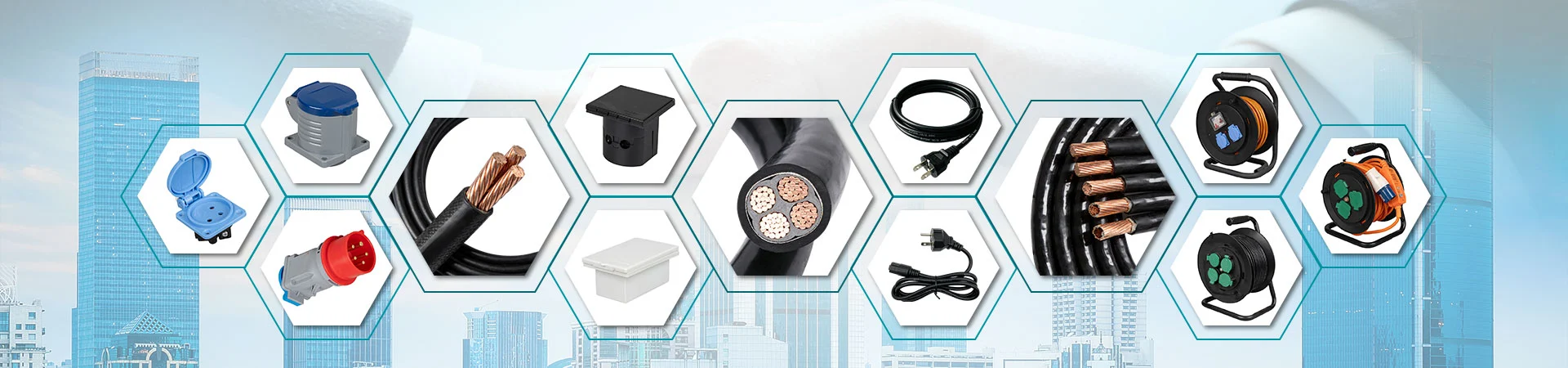
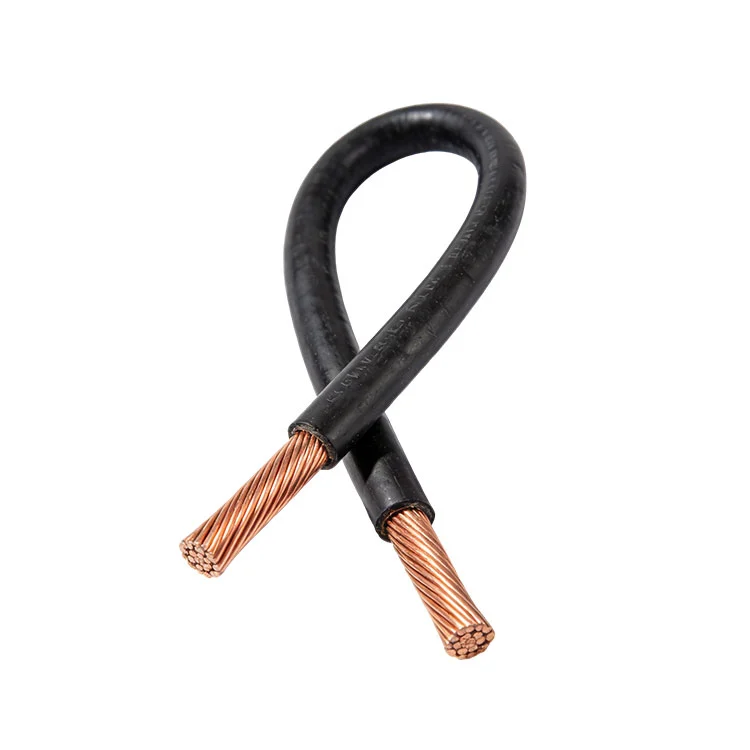
LCIE Rubber Covered Copper Wire
For demanding electrical applications requiring superior flexibility, durability, and reliable insulation, LCIE Rubber Covered Copper Wire represents the industry benchmark. This high-grade electrical cable is engineered with a pure, high-conductivity copper core, meticulously insulated with a premium-grade rubber compound. This specific construction offers exceptional resistance to abrasion, moisture, ozone, and a wide range of environmental stressors, making it an indispensable solution for industrial machinery, power tools, heavy-duty appliances, and complex wiring harnesses. The inherent flexibility of the rubber sheathing allows for easy installation in tight spaces and applications involving frequent movement or vibration. Professionals seeking a robust and versatile wiring solution often specify products like LCIE Rubber Insulated Copper Wire for fixed installations, while LCIE Flexible Copper Core Cable is the preferred choice for dynamic, flexing applications. Similarly, LCIE Rubber Sheathed Flexible Wire provides an added layer of mechanical protection, and the core technology is encapsulated in our comprehensive LCIE Copper Conductor Rubber Cable range, designed to meet rigorous international electrical standards.
The performance of LCIE Rubber Covered Copper Wire is defined by its precise technical specifications and material science. The selection of the rubber compound is critical; it is typically a blend of synthetic polymers like Ethylene Propylene Diene Monomer (EPDM) or Chloroprene (Neoprene), chosen for their specific dielectric strength, thermal stability, and chemical resistance. This ensures the insulation remains stable and protective across a wide temperature range, often from -40°C to +90°C or higher, depending on the grade. The copper conductor itself is annealed to enhance its ductility, allowing it to withstand repeated bending without work-hardening and breaking. Key parameters that define this product category include nominal cross-sectional area, conductor stranding, insulation thickness, voltage rating, and overall outer diameter. These are detailed in the following specifications and comparison table.
Core Technical Specifications
- Conductor Material: High-purity, annealed electrolytic copper (Cu-ETP).
- Insulation Material: Premium-grade rubber (EPDM, Neoprene, or SBR blends).
- Temperature Range: Operational flexibility from -40°C to +90°C (standard grade).
- Voltage Rating: Commonly rated for 450/750V or 600/1000V applications.
- Standards Compliance: Manufactured to meet or exceed IEC 60245, BS 6500, and other relevant national standards.
- Key Properties: Excellent flexibility, high abrasion and tear resistance, good oil and chemical resistance, flame retardancy (depending on compound).
Typical Product Data Table
| Nominal Cross-Sectional Area (mm²) | Number of Strands / Diameter (mm) | Approx. Insulation Thickness (mm) | Approx. Overall Diameter (mm) | Approx. Conductor Resistance at 20°C (Ω/km) |
|---|---|---|---|---|
| 1.5 | 30 / 0.25 | 0.8 | 4.3 | 12.1 |
| 2.5 | 50 / 0.25 | 0.9 | 5.2 | 7.41 |
| 4.0 | 56 / 0.30 | 1.0 | 6.3 | 4.61 |
| 6.0 | 84 / 0.30 | 1.0 | 7.2 | 3.08 |
| 10.0 | 80 / 0.40 | 1.2 | 9.5 | 1.83 |
Related Products
Hot Products
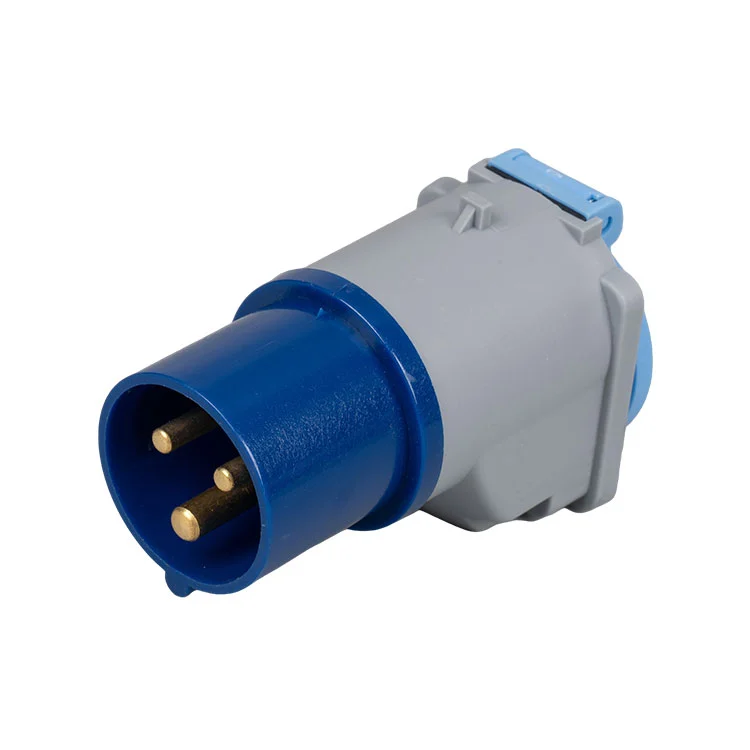
Ground Outlet Adapter
The Ground Outlet adapter manufactured by Shujie Electrical, a supplier, is a universal conversion socket that focuses on safe grounding and flexible compatibility. It is specifically designed to address the issues of incompatible plug specifications and the lack of grounding protection for devices, balancing practicality and safety. This socket is made using an integrated molding process, with the outer shell made of flame-retardant insulating material. The interior is equipped with high-quality conductive components and a reliable grounding structure. It is well-made, with a simple design, and can achieve plug conversion and grounding protection without complex operations.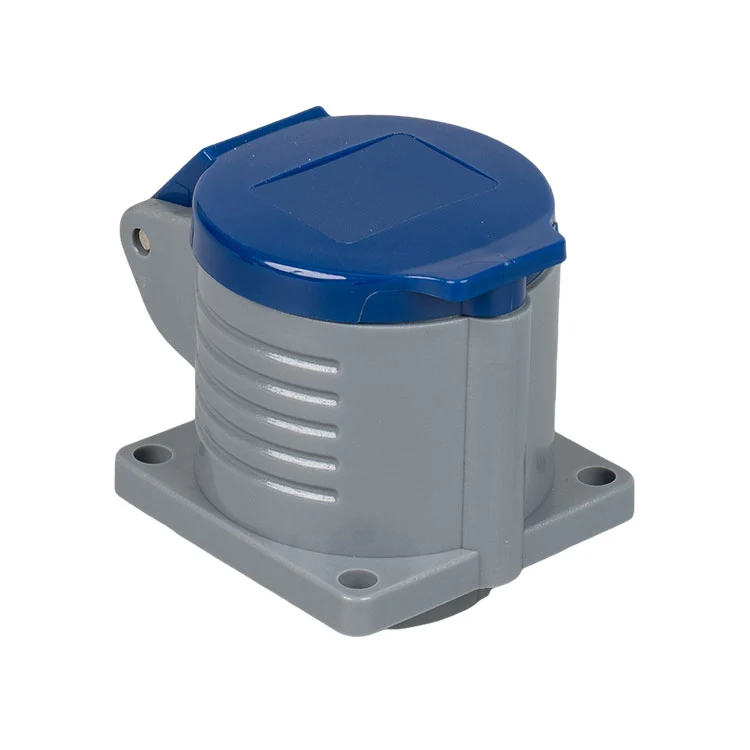
IP44 Europe Male Waterproof Industrial Plug
The IP44 Europe Male Waterproof Industrial Plug manufactured by Shujie Electrical Factory is a dedicated industrial plug strictly developed and produced in accordance with European standards. It is characterized by waterproof and dustproof performance, safety and durability. It is specially designed for the European market and for industrial, commercial and outdoor scenarios that comply with European standards.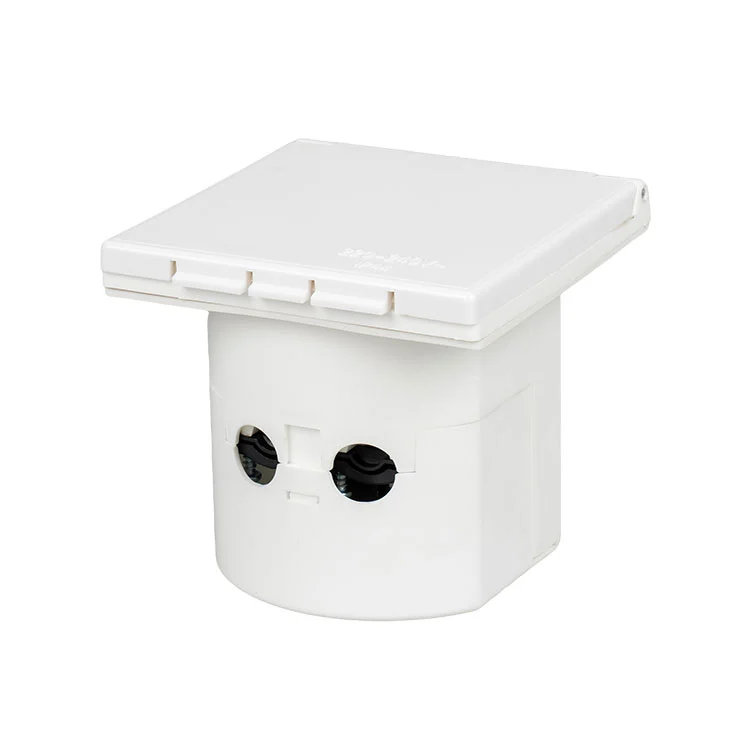
IP44 Square RV Socket Box
Shujie Electrical is the manufacturer of China IP44 Square RV socket box. This product is a dedicated electrical protection equipment specifically designed for the RV travel scenario. Its core focus is to address the waterproof and dustproof issues of outdoor and indoor electricity usage in RVs, while also considering space compatibility and ease of use. It is different from the common socket protection boxes available on the market. Instead, it adopts a regular square structure and is equipped with the IP44 waterproof standard, specifically tailored for the RV electricity usage scenario.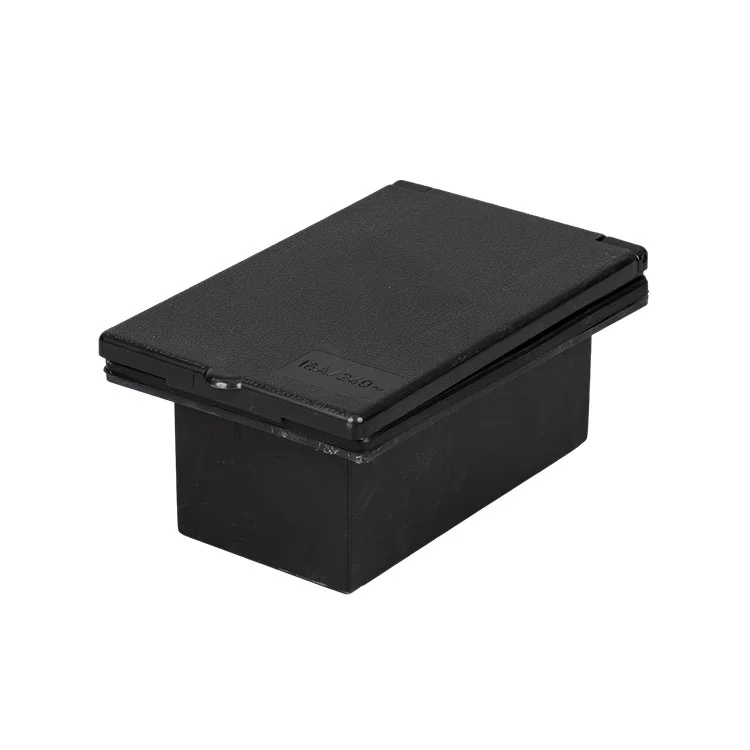
IP44 Waterproof RV Socket Box
The China IP44 waterproof RV socket box supplied by Shujie Electrical Factory is an outdoor power usage protection companion tailor-made for RV travel. It is not merely a simple socket cover; rather, it is a "mobile power usage safety fortress" specifically designed to cope with the variable outdoor environment. Whether your RV is parked at a campsite to receive power or is temporarily powered in the wild, it can provide a reliable protective barrier for your RV sockets.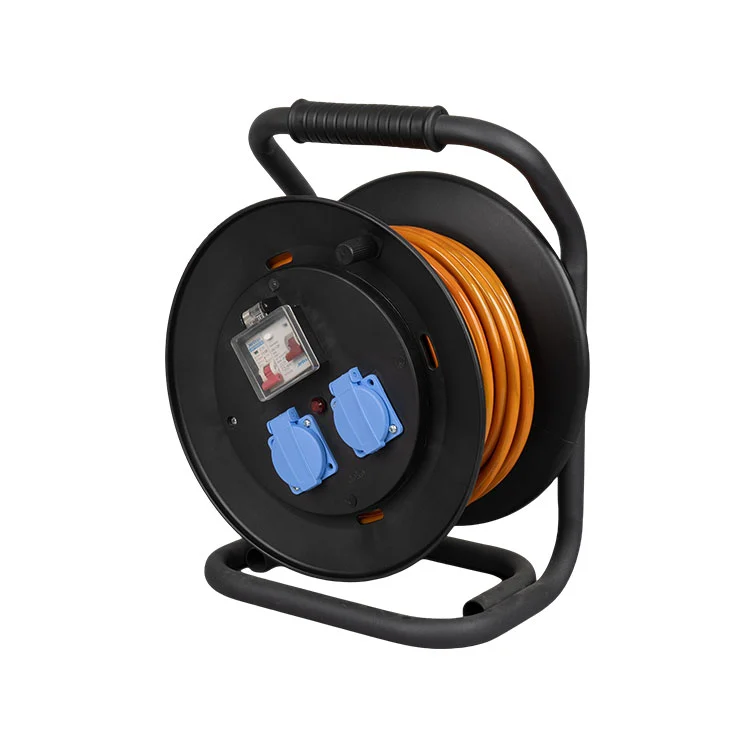
Civilian Household Reel with Leakage Protection
The China Civilian household reel with leakage protection manufactured by Shujie Electrical Factory is an intelligent safety power-taking device specially designed for households and small-scale civilian scenarios. It integrates the functions of cable storage, multi-port power supply, and leakage protection. It not only solves the problems of messy cables and limited power access in traditional power-taking methods, but also adds an "safety lock" for daily electricity usage through the built-in leakage protection device.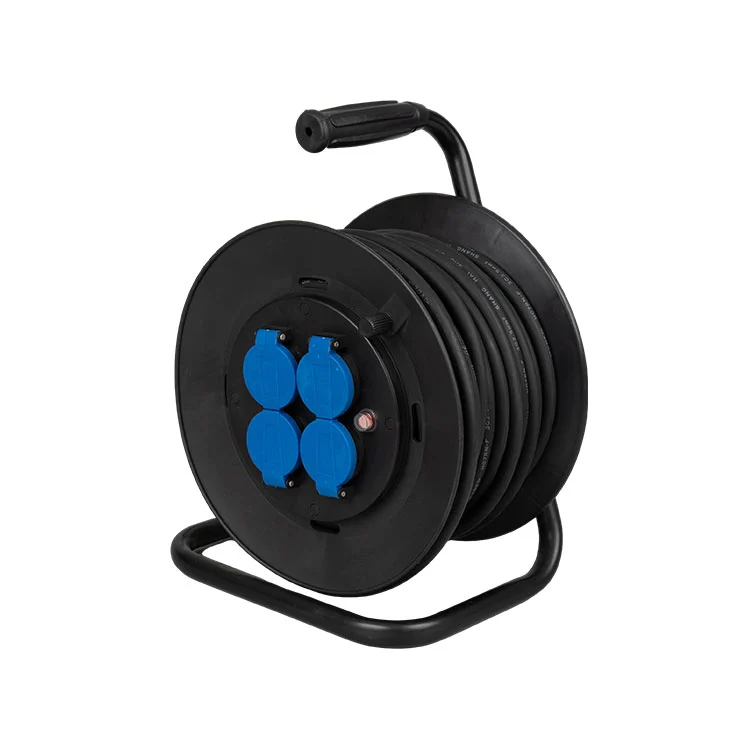
Household Reel without Leakage Protection
The Household Reel without Leakage Protection produced by Shujie Electrical, a supplier, is a simple and practical storage and power-holding device specifically designed for daily home power usage. Unlike the complex models with leakage protection, it focuses more on basic power-holding and cable storage needs in home scenarios. It features a compact and minimalist body design, and the entire body is made of friendly insulation materials for home use. It has a smooth and delicate touch, takes up little space when placed, and is equipped with a smooth cable winding structure, the cables can be freely stretched and neatly stored, eliminating the need to worry about messy cables.
- Related Blog
- Reviews
